

Why Limited Edition Streetwear Matters
Table of Contents
- The Psychology of Scarcity in Limited Edition Streetwear
- How Identity and Self-Expression Drive Drop Culture
- How to Verify Authentic Cultural Apparel
- The Evolution from Rarity to Price-Based Exclusivity
- Benefits of Small-Batch Production
- Why Timing and Urgency Drive Purchase Intent
- The Environmental and Cultural Cost of Artificial Scarcity
- Frequently Asked Questions
Last Updated: September 28, 2026
The Psychology of Scarcity in Limited Edition Streetwear
Scarcity drives limited edition streetwear through multiple psychological systems that activate simultaneously, revealing why limited drops generate intense engagement.
Loss aversion, feeling the pain of loss roughly twice as intensely as the pleasure of gain, makes a limited piece you don't secure feel like a genuine loss. A year-round piece triggers no loss aversion, but a one-time drop that sells out carries real psychological weight.
Scarcity activates the endowment effect: people assign higher value to rare or hard-to-obtain items. The moment a piece becomes scarce, its perceived value increases independent of quality or design changes. Rarity signals protection, and our brains interpret protection as a proxy for value.
The anticipation phase, waiting for announcements, watching countdowns, triggers dopamine release as the brain's reward system responds to uncertainty and potential gain (Checking your browser). When timing is announced and supply is limited, your brain enters heightened attention and reward anticipation, converting to urgency when the drop goes live.
Scarcity signals status and group membership: owning a piece from a specific drop communicates that you were paying attention, understood the cultural reference, and had the awareness to secure it. That distinction carries real meaning within the community.
Authentic limited edition streetwear leverages real scarcity grounded in actual constraints, limited production runs, specific cultural narratives, defined drop windows. Artificial scarcity tries to manufacture psychological responses without substance; audiences eventually recognize false signals. The psychology only works when scarcity is genuine.
How Identity and Self-Expression Drive Drop Culture
Drop culture exists because it allows people to signal who they are through deliberate, timed purchases. Limited edition streetwear isn't just clothing; it's a statement about your values, your awareness, and your connection to a community.
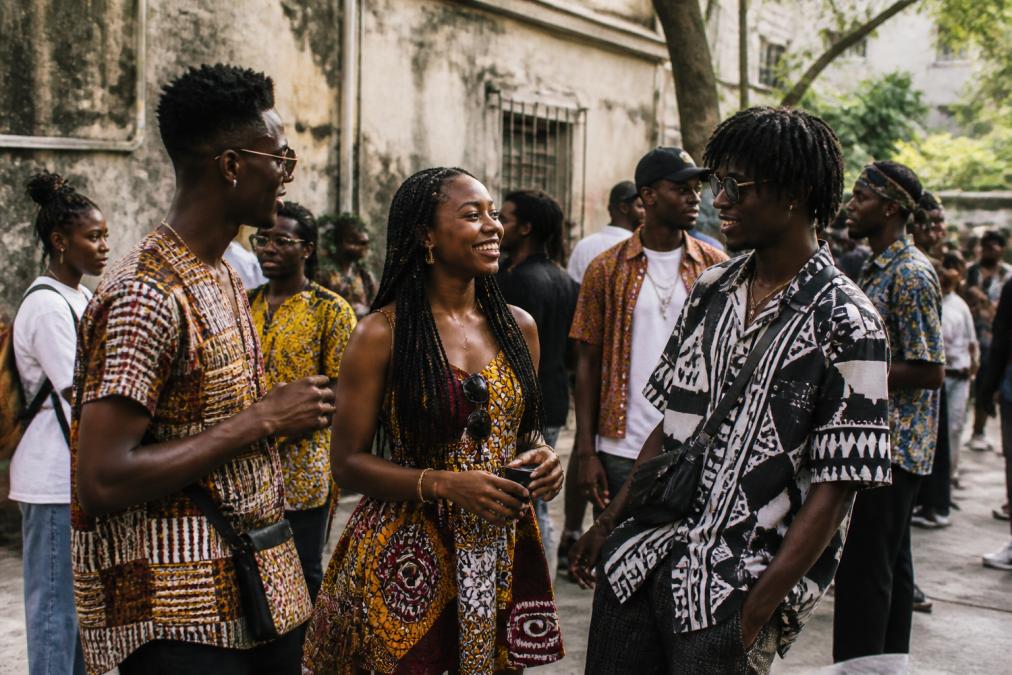
For young adults of Nigerian descent and members of the African diaspora, wearing limited edition pieces that celebrate Naija pride and African excellence is active identity work. Each drop tells a story rooted in cultural legends, historical moments, or contemporary excellence.

Drop culture diverges from fast fashion: fast fashion says "here's what we made, buy it if you like it," while drop culture says "here's a moment, are you part of it?" The exclusivity creates belonging among people who were there and understood the cultural reference.
Wearing apparel that honors your heritage, created by people who understand that heritage, carries weight that generic streetwear cannot match. It's about being seen as your full self.
How to Verify Authentic Cultural Apparel
Authenticity in cultural streetwear matters because the stakes are real. Inauthentic designs that appropriate cultural symbols without understanding or respect undermine the entire category. Before committing to a purchase, you need to know whether the brand actually understands the culture it claims to represent.
Research the brand's story and founder's connection to the culture. Authentic cultural apparel comes from people with lived experience, not external observers capitalizing on trends. B Did It !! was founded by creators rooted in Naija excellence and African pride.
Examine design narratives: each piece should reference something specific, a historical figure, cultural moment, contemporary achievement, or linguistic element. Generic "African-inspired" graphics without context are a red flag.
Check production practices: small-batch, intentional production signals respect for craft and culture. The brand should be transparent about how many pieces exist and why that number matters.
Examine community response: are people from that culture engaging authentically with the pieces? Real cultural apparel builds community among people with genuine connection to what's being represented.
The Evolution from Rarity to Price-Based Exclusivity
Limited edition streetwear started as pure scarcity to build cultural capital, but many brands now use limited editions as a pricing strategy rather than a cultural statement.
Early drop culture gated access to meaningful pieces through attention and care. Now, some brands gate access purely through price. A piece that costs twice as much isn't necessarily twice as culturally significant.
Authentic limited edition streetwear ties scarcity to cultural meaning: the piece is rare because the story is specific, the community is defined, the moment is real. Price-based exclusivity uses cost to create artificial separation.
Our pricing reflects quality and intentionality, not a strategy to exclude based on wealth. Exclusivity comes from limited production and meaningful storytelling, not pricing that locks out community members.
Benefits of Small-Batch Production
Small-batch production delivers tangible benefits that mass manufacturing cannot replicate. When you make fewer pieces with greater intention, quality improves, waste decreases, and cultural integrity stays intact.
Quality control becomes possible at small scale. Each piece can be inspected, finished, and refined. Mass production optimizes for speed and volume; small batches optimize for excellence. This is why limited edition streetwear typically feels different in hand, better stitching, more durable fabric, finishing details that reflect care.
Environmental impact improves significantly. Mass production creates inventory risk, which leads to overstock, markdowns, and ultimately, waste. Small batches produce only what's needed. Demand pulls the supply; supply doesn't push demand. This reduces the pressure to clear inventory through discounting or disposal, which means less environmental damage.
Small-batch production also preserves authenticity. When you're making 500 pieces instead of 50,000, you can afford to be selective about every decision: the specific fabric, the precise color, the exact placement of graphics. Mass production requires compromise, you pick the cheapest option that's "good enough." Small batches allow you to pick the right option, period.
For cultural apparel specifically, small-batch production signals respect. It says: we're not trying to maximize profit from your culture. We're creating meaningful pieces in quantities that preserve their significance. That constraint is a feature, not a limitation.
Why Timing and Urgency Drive Purchase Intent
Timing creates psychology, but the real mechanism is social signaling and tribal belonging. A piece available forever doesn't trigger the same decision-making process as a piece available for 48 hours, not because of simple urgency, but because the temporal constraint creates a shared moment of choice that signals group membership.
When a drop happens, everyone in the community experiences the same window of opportunity. This creates what sociologists call "synchronous participation." You're not just buying a piece; you're making a public choice at the same moment as everyone else in your community. That simultaneity matters. People who secured a piece from a specific drop share something beyond the garment itself, they share the moment of decision, the awareness, the commitment. This is fundamentally different from browsing an always-on inventory.
The social signaling operates on multiple levels. First, there's the signal to yourself: by committing during a drop, you're confirming your own values and priorities. You saw the announcement, understood the cultural reference, decided it aligned with who you are, and acted. That's identity work. Second, there's the signal to your community: wearing a piece from a specific drop communicates that you were paying attention, you understood the stakes, you were part of that moment. Third, there's the signal to outsiders: you're wearing something that most people don't have access to, which signals awareness and cultural capital.
This is where drop culture diverges fundamentally from fast fashion. Fast fashion says: here's what we made, buy it if you like it. Drop culture says: here's a moment, are you part of it? The exclusivity creates belonging because it's based on shared participation in a defined moment, not just on purchasing power. A wealthy person who wasn't paying attention and missed the drop doesn't have the piece. A person with modest resources who was engaged and committed does. The drop window levels the playing field in a way that always-on inventory never does.
Timing also creates narrative momentum. A coordinated drop generates attention and conversation in ways that steady inventory cannot. The announcement creates anticipation. The drop window creates urgency and shared experience. The sell-out creates a story: "Did you get it?" becomes a real question with real stakes. People talk about drops because they're events, not just transactions. This event-based structure also creates natural boundaries for community. You can identify who was there for a specific drop and who wasn't. That distinction carries social weight.
From a psychological standpoint, the temporal constraint forces clarity of intent. A piece available forever allows for passive browsing and impulse purchasing. A piece available for 48 hours requires active decision-making.
The Environmental and Cultural Cost of Artificial Scarcity
Artificial scarcity, scarcity created purely for marketing, not grounded in authentic cultural meaning, carries real costs. When brands manufacture urgency around pieces that lack cultural substance, they devalue the entire category.
Frequently Asked Questions
What makes limited edition streetwear different from regular apparel?
Limited edition streetwear combines intentional design, restricted production runs, and cultural storytelling. Unlike mass-produced clothing, each drop is finite, once sold out, pieces become unavailable. This scarcity creates exclusivity and resale value. Brands like B Did It !! focus on non-mass-produced designs that honor cultural heritage, meaning each piece carries authentic meaning beyond fabric and stitching. The limited nature transforms apparel into a collectible statement rather than disposable fashion.
How do you verify authentic cultural apparel?
Authentic cultural streetwear reflects genuine storytelling and intentional design rooted in the culture it represents. Check whether the brand explains the cultural significance behind each design, authentic pieces come with context, not just aesthetics. Examine production practices: small-batch production, transparent sourcing, and assembled-in-USA quality indicate commitment to authenticity. Research the creators: are they from the culture they're representing? Verify limited production claims through release documentation. Brands with authentic cultural apparel typically engage their community directly and share the stories behind their drops.
Why do limited edition drops create urgency to buy?
Limited edition drops trigger urgency through multiple psychological layers. First, scarcity signals exclusivity, owning something rare elevates social status and cultural capital. Second, time-based constraints (drops typically sell out within hours or days) activate loss aversion; buyers fear missing out on identity-defining pieces. Third, community engagement amplifies urgency; when your cultural peers are discussing a drop, the social pressure intensifies. Timing and urgency work together to convert casual interest into immediate purchase intent, which is why strategic release cycles drive both sales and brand loyalty.
Does limited edition streetwear hold its resale value?
Authentic limited edition streetwear often appreciates in resale markets when demand exceeds supply and cultural relevance endures. Pieces tied to significant cultural moments, created by respected designers, or produced in genuinely small batches tend to hold value better. However, resale value depends on authenticity verification, condition, and ongoing community interest. Brands that maintain consistent quality and cultural integrity, like B Did It !! with its 3.7/5.0 rating on pieces like the Odogwu Unisex Garment-Dyed Drop-Shoulder T-Shirt, build stronger resale markets because collectors trust the brand's commitment to excellence and cultural authenticity.