

Shop Authentic Cultural Apparel: A Buyer's Guide
Table of Contents
- Why Authenticity Matters When You Shop Authentic Cultural Apparel
- How to Identify Authentic Cultural Designs
- Supporting Indigenous-Owned Fashion Labels
- Evaluating Ethical Clothing Brands for Cultural Apparel
- Understanding Cultural Protocol and Appreciation
- Caring for Traditional Textiles and Cultural Pieces
- Where to Shop Authentic Cultural Apparel
- Frequently Asked Questions
Last Updated: October 2, 2026
Why Authenticity Matters When You Shop Authentic Cultural Apparel
When you shop authentic cultural apparel, you're supporting the right creators, honoring cultural heritage, and avoiding cultural appropriation disguised as appreciation.
Many streetwear brands claim cultural connection without it. Some use generic "African-inspired" graphics on mass-produced blanks; others cherry-pick symbols without understanding their meaning. Buying from brands that genuinely understand the culture they represent means investing in something real.
At B Did It !!, we create apparel rooted in authentic cultural storytelling. Every design carries purpose. The importance of ethical fashion in supporting cultural communities extends beyond individual purchases, it shapes which voices get amplified in the fashion industry. When you prioritize authentic cultural apparel, you're voting with your wallet for creators who live the culture, not just exploit it.
How to Identify Authentic Cultural Designs
Spotting authentic cultural apparel requires verifying ownership, documented design origins, and transparent community connections.
Verify Actual Ownership and Community Connection
Confirm whether a brand is genuinely Indigenous-owned, First Nations-owned, or created by members of the culture it represents. Many brands use Indigenous motifs without actual community ownership.
Here's how to verify:
Check ownership structure directly. Authentic Indigenous-owned businesses list Indigenous founders and owners on their "About" pages. If a brand says "Indigenous-inspired" but founders are not Indigenous, that's a red flag.
Look for third-party certification or accreditation. Some Indigenous-owned fashion brands carry certifications from Indigenous business organizations or chambers of commerce. In the United States, the Native American Business Enterprise Center network provides resources and can help verify Indigenous business status. Brands that have pursued formal certification are making a verifiable commitment.
Trace the design credit. Authentic cultural apparel credits specific designers from that culture by name. Brands hiding designer names or using generic "designed by our team" language often lack genuine cultural connection.
Verify community collaboration or employment. Authentic cultural brands employ artisans or cultural consultants from the communities they represent and highlight this on their websites or in impact reports.
Check for community benefit statements. Legitimate brands state specific percentages of proceeds supporting communities or name artisan employment. Vague statements like "we support cultural communities" are weaker signals.
Examine Design Storytelling and Cultural Depth
Authentic cultural designs come with context that goes beyond marketing language. A genuine piece doesn't just look good; it explains why it looks that way with specificity.
When examining a design, ask: Does the brand reference specific cultural traditions (not generic regions)? Can they trace inspiration to documented sources? Do they explain cultural significance? Is the explanation consistent across platforms? Authentic creators reference particular traditions, point to specific artifacts, and tell consistent stories rooted in real knowledge.
Red flags include vague inspiration claims, no designer attribution, no cultural context, or inconsistent stories across platforms.
Verify Transparency About Supply Chain and Production
Authenticity means transparency about production. Ask: Where are garments manufactured (ideally locally or in the represented community)? Who are the garment workers? Are materials sourced ethically? Brands should explain labor practices and textile sourcing.
Brands dodging these questions are often engaging in cultural borrowing rather than authentic representation.
Use the Red Flag Checklist
Before purchasing, verify these markers of authenticity:
- ✓ Indigenous/First Nations ownership is explicitly stated with founder names
- ✓ Designer is credited by name and is from the represented culture
- ✓ Specific cultural traditions are referenced, not generic regions
- ✓ Cultural significance of designs is explained in detail
- ✓ Production location and labor practices are transparent
- ✓ Community benefit or employment is documented
- ✓ The same story is told consistently across all platforms
If a brand checks most of these boxes, you're likely looking at authentic cultural apparel. If multiple boxes are empty or answers are vague, proceed with caution.
Naija Native Graphic T-Shirt — Green Drip Streetwear Tee →
Supporting Indigenous-Owned Fashion Labels
Indigenous-owned and First Nations-owned fashion brands represent authentic voices in cultural apparel. They bring generations of cultural knowledge and lived experience to their work, prioritizing traditional artistry and community investment. Look for brands that explicitly identify as Indigenous-owned and verify Indigenous people hold leadership and ownership positions, not just consultant roles. Supporting these labels means supporting cultural traditions and economic opportunity within Indigenous communities.
Evaluating Ethical Clothing Brands for Cultural Apparel
Not all ethical clothing brands are created equal when it comes to cultural apparel. Ethical production matters, but so does cultural authenticity and community benefit.
Look for Supply Chain Transparency
Ethical brands transparently answer: Where are materials sourced? Which facilities manufacture garments? Are workers paid fair wages? Are conditions safe? Brands hiding supply chain details often cut corners on worker welfare. Look for brands partnering with local manufacturers, especially for cultural apparel, to strengthen community economies.
Assess Fair Wages and Garment Worker Rights
Fair wages and safe working conditions are non-negotiable for ethical cultural apparel. The people making your clothes deserve compensation that reflects the value of their work and allows them to live with dignity.
Ethical brands commit to paying above minimum wage, often significantly above.
When evaluating a brand's ethical commitments, look for:
- Specific wage information (not just "fair wages")
- Worker safety certifications or audits
- Investment in worker training and development
- Long-term partnerships with manufacturers (not constant switching)
- Transparency about challenges and improvements
Understanding Cultural Protocol and Appreciation
Cultural appreciation means engaging respectfully with cultures that aren't your own, learning history, understanding significance, and supporting originating communities. Cultural appropriation extracts elements without permission or community benefit. When wearing authentic cultural apparel, understand its significance, support creators from that background, respect traditions, avoid treating symbols as costumes, and listen to community feedback. Intentionality matters: wear cultural apparel to honor traditions and support authentic creators, not to be trendy.
Caring for Traditional Textiles and Cultural Pieces
Authentic cultural apparel often uses traditional textiles requiring specific care. Understanding your textile's cultural context helps you maintain it respectfully and effectively.
Understanding Your Textile's Cultural Origin
Organic or heritage fiber pieces (linen, hemp, wool) are more absorbent, prone to shrinkage, and sensitive to heat. Ask the brand about textile origin and construction method to guide your care approach.
Culture-Specific Care Practices
Japanese and East Asian textiles: Cold water, minimal detergent, air dry away from sunlight, store rolled not folded.
General Care Guidelines for All Cultural Apparel
Beyond culture-specific practices, these principles apply to most authentic cultural pieces:
Care Practice |
Why It Matters |
Frequency |
|---|---|---|
Cold water washing |
Prevents dye bleeding and fiber damage |
Every 3-4 wears |
Gentle or hand-wash cycle |
Preserves hand-woven integrity and delicate construction |
Always when possible |
Mild or specialized detergent |
Harsh chemicals damage natural fibers and fade dyes |
Every wash |
Air drying |
Heat damages natural fibers and sets stains |
Always when possible |
Shade drying |
Direct sunlight fades natural dyes faster |
Always for dyed pieces |
Breathable storage |
Prevents mold, mildew, and moisture damage |
Year-round |
Flat or loose storage |
Prevents permanent creasing in hand-woven pieces |
Long-term storage |
Separate first wash |
Natural dyes bleed significantly in initial washes |
First 3-5 washes |
Addressing Common Issues
Indigo bleeding: Normal with natural indigo. Wash separately first several washes in cold water. Fading: Expected with natural dyes; store in darkness to slow it. Shrinkage: Wash cold and air dry; gentle stretching while damp can restore shape. Pilling: Normal wear; remove gently with fabric comb. Stains: Treat promptly with cold water and mild detergent; consult conservator for stubborn stains on delicate pieces.
Long-Term Preservation
Proper storage ensures pieces last for years. Use breathable containers (cotton bags, acid-free boxes), store in cool, dry, dark places, keep away from moths using cedar or lavender, fold loosely or roll rather than hang, check periodically for damage, and consider professional conservation for heirloom pieces. Proper care honors the craftsmanship and cultural traditions embedded in the garment.
Where to Shop Authentic Cultural Apparel
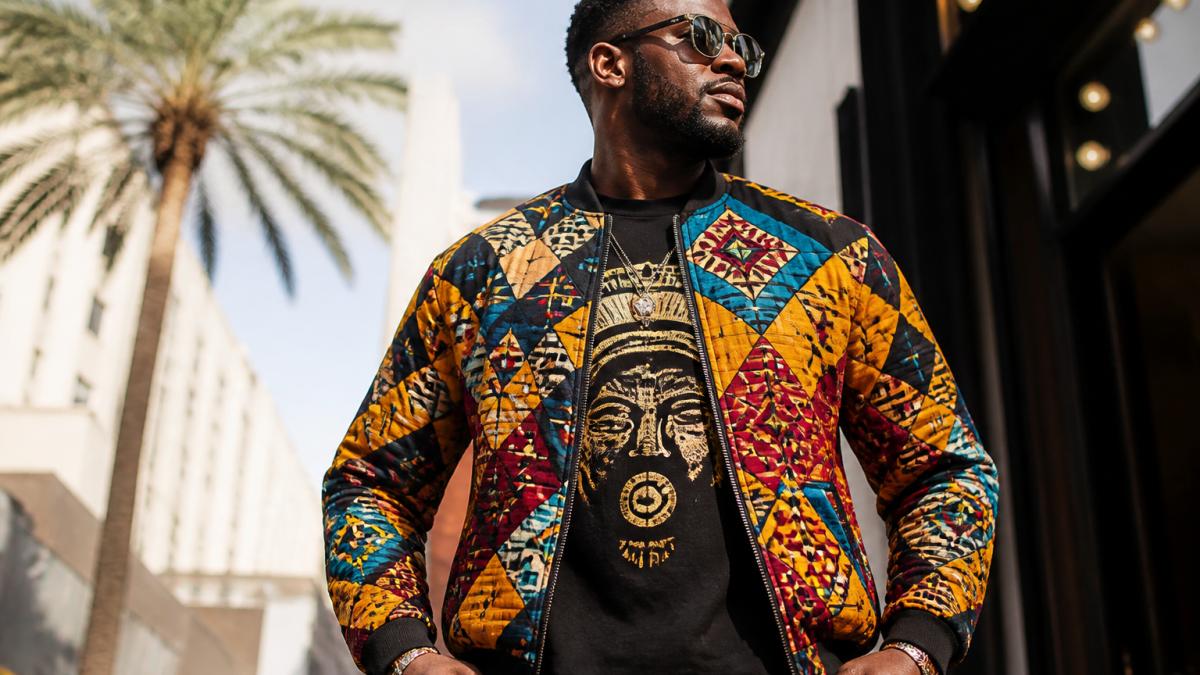
When shopping for authentic cultural apparel, prioritize:
- Brands with direct cultural connection (Indigenous-owned, diaspora-rooted, community-embedded)
- Transparent design origins and storytelling
- Fair wages and ethical production
- Limited production runs (avoiding mass-manufacture)
- Direct community investment
Frequently Asked Questions
How can I verify if cultural apparel is authentically sourced?
Check the brand's website for detailed storytelling about design origins, designer credentials, and cultural connections. Authentic brands clearly explain which cultural traditions inspired each piece and often credit the artisans or designers involved. Look for transparency about manufacturing location, material sourcing, and whether the brand has direct relationships with cultural communities. Brands like B Did It !! provide context—for example, The Ọmọlúwàbí Bomber Jacket explicitly references Yoruba cultural concepts and West African textile traditions, showing intentional cultural grounding rather than surface-level aesthetics.
What should I look for when buying Indigenous-designed clothing?
Prioritize brands where Indigenous designers or community members are directly involved in creation and decision-making, not just featured as inspiration. Ask: Is the brand Indigenous-owned? Do they clearly credit the designers? Is there a direct supply chain connection to the cultural community? Seek certifications or partnerships with Indigenous organizations. Read customer reviews and check social media for community feedback. Authentic Indigenous-designed clothing often costs more because it reflects fair compensation for artisans, ethical production, and genuine cultural investment rather than mass manufacturing.
Why is it important to support ethical clothing brands when shopping for cultural apparel?
Ethical brands ensure garment workers earn fair wages, work in safe conditions, and maintain their dignity—values that align with the cultural pride you're expressing through your clothing. When you buy from ethical brands, your money directly supports artisans and communities rather than extractive supply chains. Cultural apparel carries meaning; supporting ethical production honors both the cultural heritage in the design and the people making the piece. Brands committed to sustainable material sourcing and transparent manufacturing demonstrate respect for both cultural traditions and environmental responsibility.
What's the difference between cultural appreciation and appropriation in fashion?
Appreciation involves learning the story, respecting the cultural context, and supporting the communities behind the designs. Appropriation strips cultural meaning, profits from it without crediting sources, or uses sacred symbols disrespectfully. When shopping for cultural apparel, ask: Does the brand explain the cultural significance? Are they compensating the culture fairly? Is the design respectful or mocking? Authentic cultural streetwear brands like B Did It !! provide detailed narratives—The Naija Collective Hoodie explains the concept of collective identity in Nigerian culture, educating wearers rather than just selling a product.