


How to Wear Heritage With Confidence
Table of Contents
- Understanding Heritage Style and Self-Expression
- How to Dress Confidently in Heritage Pieces
- How to Mix Cultural Clothing With Modern Fashion
- African Streetwear Outfit Ideas for Every Occasion
- Choosing and Styling African Fashion Accessories
- Building Your Heritage Wardrobe: Key Pieces and Investment Strategy
- Respecting Cultural Context and Avoiding Appropriation
- Frequently Asked Questions
Last Updated: October 20, 2026
Understanding Heritage Style and Self-Expression
Heritage style is the practice of wearing cultural clothing and traditional garments to express identity, celebrate roots, and connect with community. It's more than fashion, it's a statement about who you are and where you come from, and it means you can wear heritage with confidence.
At B Did It !!, wearing heritage with confidence means choosing pieces that feel authentic to you, blending cultural pride with modern streetwear naturally.
Self-expression through heritage clothing works best when it feels personal: mix traditional textiles with contemporary silhouettes or layer cultural pieces with everyday basics.
Building this confidence starts with understanding what heritage style means to you specifically. Celebrating Nigerian roots? Honoring family traditions? Your answer shapes your styling and which pieces you choose.
How to Dress Confidently in Heritage Pieces
Dressing confidently in heritage pieces comes down to three things: the right fit, understanding your silhouette, and wearing what makes you feel powerful.
Start with fit. Heritage garments often have different proportions than typical streetwear. Before buying, consider how the piece will layer with your everyday basics and whether you can move freely.
Know your body and what flatters it. Tailored elements draw attention to areas you want to highlight; relaxed pieces give breathing room. A well-fitted heritage jacket over black denim creates a sharp silhouette, while oversized layering adds attitude.
Choose quality over quantity. One premium heritage piece worn with intention beats five mediocre ones. Look for bold geometric prints, authentic textile details, and lasting construction. B Did It !! pieces like The Ọmọlúwàbí Bomber Jacket feature high-contrast geometric motifs inspired by West African strip-weaving traditions.

Confidence comes from intention. When you wear heritage pieces deliberately, people sense it, this is what it means to wear heritage with confidence.
Strategy |
How It Works |
Impact |
|---|---|---|
Choose quality pieces |
Invest in fewer, better items |
Lasts longer, looks sharper |
Know your fit |
Select silhouettes that flatter you |
Feel comfortable and powerful |
Layer intentionally |
Mix heritage with neutral basics |
Creates polished, modern looks |
Wear with purpose |
Choose pieces that reflect your values |
Projects authentic confidence |
How to Mix Cultural Clothing With Modern Fashion
Mixing cultural clothing with modern fashion is about balance, blending heritage and contemporary rather than choosing between them.
Start with a neutral base. Black denim, white sneakers, and solid tees let your heritage garment be the star. Wear The Àkísà Ọba Ankara Unisex Bomber Jacket with marigold gold, crimson, and cerulean blue diamond patchwork over simple black denim, and the jacket commands the room.
Layer with intention. A heritage bomber over a minimal graphic tee creates visual interest without clashing.
Mix textures and patterns carefully. One bold statement piece per outfit is the sweet spot. If your jacket has intricate geometric prints, keep your bottoms solid; if your pants feature texture, pair them with a clean top.
Balance tailored and relaxed pieces. A structured heritage jacket over easy trousers feels effortless.
African Streetwear Outfit Ideas for Every Occasion
Casual Campus and Everyday Wear
For everyday campus life, keep it simple and bold. Wear a heritage bomber jacket open over a plain white or black tee. Add black jeans and clean white sneakers. The jacket becomes your statement while everything else fades into the background.
A geometric print bomber paired with basics reads as confident, not costume-y.
For cooler months, layer a heritage jacket over a long-sleeve fitted shirt with dark jeans and minimal accessories.
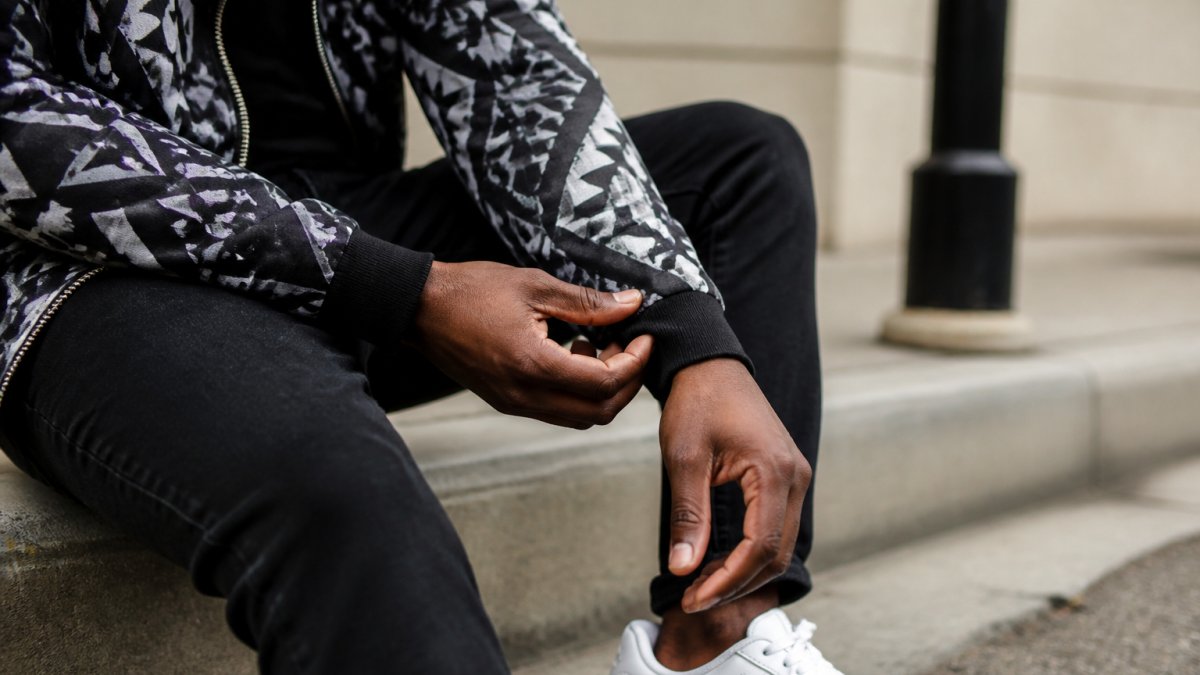
Campus outfit formula:
- Heritage bomber jacket (zipped or open)
- Plain tee or fitted long-sleeve
- Dark denim or black trousers
- Clean white or black sneakers
- Minimal jewelry or accessories
Cultural Events and Celebrations
For cultural events, your heritage piece can be the centerpiece of a more intentional, boldly layered look.
Wear a heritage jacket closed over a crisp shirt with tailored trousers or quality denim and a simple chain or pendant that connects to your heritage.
For celebrations honoring your culture, consider pieces that tell a story. The Àwọn Àmì Ọgbọ́n Ankara Unisex Bomber Jacket features ancestral ideographic art, symbols of wisdom and perseverance rendered in terracotta, sienna, and chalk-white. This piece carries meaning beyond aesthetics.
Event outfit formula:
- Heritage bomber or structured jacket
- Tailored or quality denim
- Crisp shirt underneath
- Simple jewelry with cultural significance
- Polished shoes or clean sneakers
Festival and Community Gatherings
Festivals are where you can be bolder. Layer multiple pieces, add accessories, and let your heritage style shine.
Wear a heritage jacket open over a complementary cultural piece with a simple pendant or chain and comfortable, quality denim or trousers that let you move.
Consider The Àtẹ̀gùn Ọrọ̀ Ankara Geometric Unisex Bomber Jacket with its interlocking diagonal lattice of brick red, golden ochre, and indigo-blue. It's visually striking but still wearable, referencing traditional Ankara fabric without feeling heavy or costume-like.
Festival outfit formula:
- Heritage bomber or layered jacket
- Complementary cultural piece
- Quality denim or comfortable trousers
- Cultural jewelry or accessories
- Comfortable shoes for moving and celebrating
Choosing and Styling African Fashion Accessories
Accessories anchor your heritage look, elevating it from casual to intentional.
Jewelry matters most. A simple gold or silver chain works with almost any heritage piece. If your jacket features warm tones (rust, gold, amber), choose warm metals. For cool tones (blue, indigo, white), silver or cooler metals work better.
Keep it minimal. One statement piece, a pendant, a bold ring, or a watch, is usually enough. Your heritage jacket already demands attention; accessories should complement, not compete.
Bags and shoes ground the look. Clean white sneakers work with almost everything; for dressier occasions, simple neutral leather shoes keep focus on your heritage piece. A minimal bag in black, white, or neutral leather completes the outfit.
Hats and headwear add personality. A simple baseball cap or beanie can work if it complements your jacket's color palette.
Building Your Heritage Wardrobe: Key Pieces and Investment Strategy
Start with one quality heritage piece and build from there, whether you're buying new or working with pieces already in your family.
Your first piece should be versatile. A bomber jacket works across casual, cultural, and celebratory occasions, layers easily, and pairs with basics.
Invest in quality construction. Heritage pieces are meant to last. Look for premium polyester shells, precision stitching, and authentic design elements.
Fit and tailoring for inherited or vintage pieces. A family garment rarely fits off the rack, and that is normal.
Care for delicate fabrics and inherited textiles. Store heritage pieces folded rather than on wire hangers, keep them out of direct sunlight, and air them after wearing before putting them away.
Build slowly and intentionally. After your first piece, add complementary basics: quality black denim, neutral tees, simple shoes. Then add a second heritage piece that works with what you already own.
Consider your lifestyle. A college student might prioritize casual pieces, someone attending regular cultural events might invest in tailored options, and someone with inherited pieces might prioritize tailoring and care over new purchases.
Track what you wear. After a month, notice which pieces you reach for most. If your heritage bomber gets worn three times a week, add complementary pieces.
Respecting Cultural Context and Avoiding Appropriation
Wearing heritage with confidence means understanding the difference between appreciation and appropriation, and that difference is practical, not abstract. Before a garment goes on your body, run it through a short, repeatable check: origin, significance, permission, and use.
Step 1: Trace the origin. Find out where the garment, textile, or motif actually comes from before you style it. A brand that can only say "African print" is telling you something too.
Step 2: Understand the significance. Some patterns, colors, and garments carry meaning beyond aesthetics. Certain motifs signal status, commemorate events, or belong to ceremonial contexts. Before wearing a piece to a casual setting, confirm it is meant for everyday use.
Step 3: Check permission and relationship. If you belong to the culture, wearing its heritage is self-expression. If you are connecting through diaspora, marriage, friendship, or study, be honest about that relationship rather than claiming ownership.
Step 4: Style with appropriate use. Match the garment to the setting. A heritage bomber over black denim reads as modern streetwear and works for everyday wear.
Support creators who understand the culture. Brands like B Did It !! create pieces rooted in African excellence and cultural storytelling, with designs that reference specific West African textile traditions rather than generic "African print." Buying from creators genuinely connected to the culture supports authentic expression, not extractive aesthetics. That connection is also your best source of information: a maker who knows the tradition can tell you how the piece is meant to be worn, cared for, and passed on.
Be respectful in how you style and talk about it. Wear your heritage pieces with intention and dignity. This is not about rigid rules, it is about approaching cultural clothing as something meaningful, not as a costume or novelty.
Frequently Asked Questions
How do I wear heritage with confidence if I'm not deeply connected to the culture?
Heritage style is about honoring roots and self-expression, regardless of how connected you feel to daily cultural life. If you're diaspora-connected or exploring your background, wearing heritage pieces authentically means understanding the story behind them—not just the aesthetic. Start by learning what your pieces represent (their motifs, colors, and significance), then wear them intentionally rather than as a costume. Your confidence grows when you know why you're wearing something. B Did It !! designs honor these stories through authentic West African geometric motifs and ceremonial inspirations, so you're wearing something with real cultural weight, not surface-level aesthetics.
What's the best way to mix African streetwear with modern fashion without looking overdressed?
Balance is key: pair one bold heritage piece with neutral, relaxed basics. For example, wear a statement geometric bomber jacket like The Ọmọlúwàbí or Àkísà Ọba over simple black denim and clean sneakers. Let the cultural piece command attention while keeping everything else minimal. Alternatively, layer a heritage-inspired jacket open over a plain graphic tee. This approach keeps your outfit grounded and wearable for everyday settings while honoring your heritage. The silhouette stays contemporary streetwear—the cultural storytelling comes through the intentional design details, not through overdressing.
How do I know if a heritage piece is authentic and worth the investment?
Authentic heritage pieces should tell a specific cultural story. Look for designs rooted in actual traditions—geometric patterns inspired by West African textiles, motifs tied to ceremonial or community significance, and color palettes with cultural meaning. B Did It !! pieces like Àwọn Àmì Ọgbọ́n (Symbols of Wisdom) draw from ancestral ideographic traditions, while Àtẹ̀gùn Ọrọ̀ honors Nigerian wax print culture. Check if the brand explains the cultural context behind each design. Premium quality (durable polyester, precise printing, thoughtful construction) and intentional, non-mass-produced drops also signal authenticity. If a brand doesn't explain the cultural story, it's likely surface-level aesthetics rather than genuine heritage expression.
What accessories work best with heritage-inspired streetwear outfits?
Keep accessories purposeful and minimal to avoid competing with your heritage piece. If wearing a bold geometric bomber, choose simple accessories: clean white or black sneakers, a minimalist watch, and perhaps a simple chain or pendant with cultural significance. Neutral-toned bags in leather or canvas ground the look. For color, echo one tone from your heritage piece in a scarf or cap rather than introducing new colors. Avoid mixing too many patterns or accessories—heritage pieces are statement enough. The goal is letting your cultural clothing shine while adding functional, complementary pieces that enhance rather than distract from the intentional design.