
How to Verify Authentic Cultural Apparel
Table of Contents
- What Makes Cultural Apparel Authentic
- Step 1: Examine Tags, Labels, and Serial Numbers
- Step 2: Assess Material Quality and Fabric Texture
- Step 3: Check Stitching Patterns and Thread Consistency
- Step 4: Verify Design Authenticity and Cultural Integrity
- Understanding the Benefits of Small-Batch Clothing Production
- How to Spot High-Quality Apparel and Ethical Streetwear Brands
- Red Flags: What to Avoid When Buying Cultural Apparel
- Frequently Asked Questions
Last Updated: September 21, 2026
What Makes Cultural Apparel Authentic
Authentic cultural apparel is clothing rooted in specific cultural traditions, created with intentional design that honors the stories, symbols, and heritage of a community. It goes beyond surface-level aesthetics, it carries meaning, craftsmanship, and respect for the culture it represents.

To verify authentic cultural apparel, you need to understand three core elements: intentional design, material integrity, and cultural respect. Pieces built on research, community input, and ethical production practices differ sharply from counterfeits that strip away context and prioritize profit.
At B Did It !!, we understand this distinction deeply. Our collections blend Naija pride with bold, intentional design, each piece tells a story rooted in West African heritage, crafted with the same care that traditional artisans bring to their work. When you're learning to verify authentic cultural apparel, you're not just checking tags and stitching. You're ensuring the piece respects the culture it represents.
Step 1: Examine Tags, Labels, and Serial Numbers
Start by inspecting tags and labels, the first line of defense against counterfeits.
Look for these key elements:
- Brand name consistency: The brand name should be spelled correctly, with consistent font sizing and placement across all tags
- Serial numbers or batch codes: Authentic small-batch apparel often includes unique identifiers that track production runs
- Care instruction labels: These should be clear, legible, and include specific fabric composition percentages
- Stitching on tags: The thread should be secure and match the brand's standard stitching quality
- Label material: Authentic labels use quality fabric or woven material, not flimsy paper that tears easily
Counterfeits rush tag production, showing misspellings, misaligned text, or cheap attachment. Counterfeiters often misplace labels because they copy from photos rather than handling genuine pieces.
Step 2: Assess Material Quality and Fabric Texture
Run your hands across the fabric. Material choices in authentic cultural apparel reflect traditional production methods and ethical sourcing that mass-produced counterfeits cannot replicate.

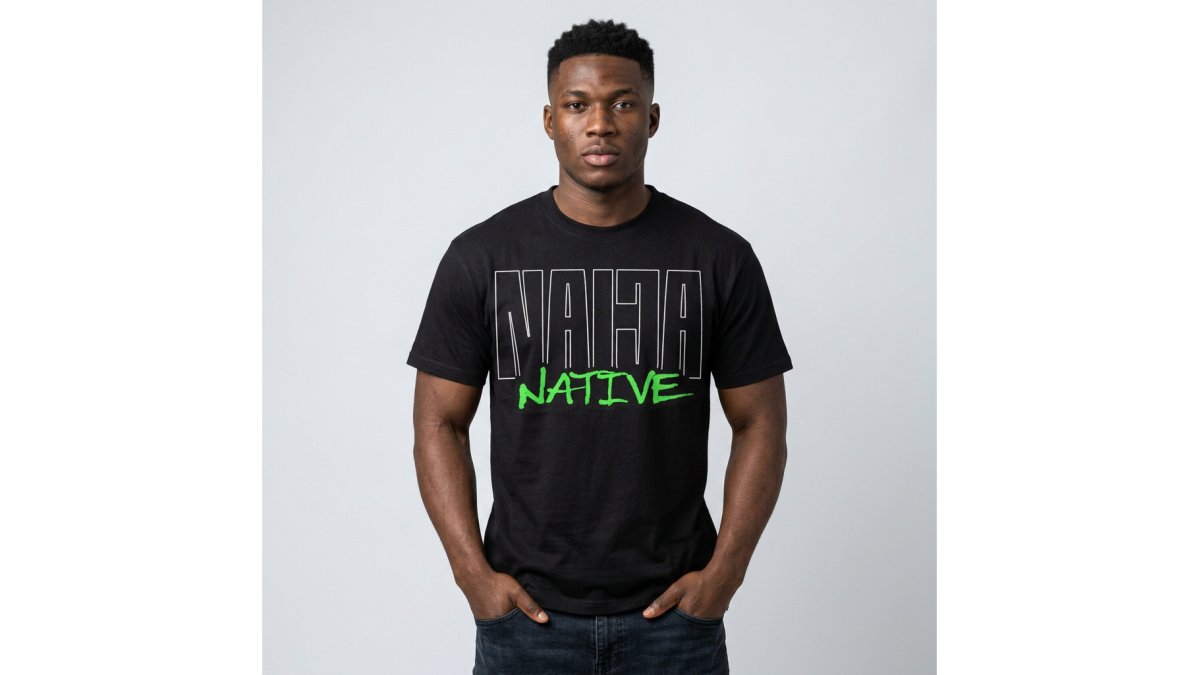
Feel for these markers of authentic material choices:
- Thread weight and density: Quality apparel has consistent, tightly-woven fabric. Loose weaves or thin fabric signal mass production shortcuts
- Dye consistency: Run your finger across the print or dyed area. Authentic pieces show even color saturation. Faded patches or uneven dye application indicate poor production control
- Fabric weight: Small-batch pieces often use heavier, more durable polyester or cotton blends. Lightweight, papery fabric is a red flag
- Seam integrity: Examine where panels meet. Are the seams straight and secure, or do they pucker and pull?
- Print durability: Rub the graphic print gently. Does it feel raised and durable, or does it flake or crack under minimal pressure?
Sensory verification for traditional textiles:
Authentic traditional-dyed apparel exhibits distinct markers counterfeits cannot replicate:
- Natural dye aroma: Plant-based or mineral dyes (indigo, madder root, cochineal) carry subtle, earthy scents that persist after washing. Synthetic dyes produce sharp, acrid odors that fade quickly. Smell near seams and inside folds.
- Fiber hand and drape: Hand-spun fibers feel distinctly different from industrial polyester, slightly irregular, softer initially, with natural give when stretched. Synthetic fabrics feel uniform and plastic-like.
- Color variation under light: Natural-dyed textiles show subtle color shifts in different lighting because natural dyes absorb and reflect light differently than synthetics.
- Fade patterns: Authentic pieces fade predictably along stress points (seams, folds) as natural dyes break down gradually. Counterfeits fade unevenly or not at all.
Supply chain transparency verification:
Ethical brands invest in transparent sourcing because their pieces are built to last and respect artisans.
Step 3: Check Stitching Patterns and Thread Consistency
Stitching integrity is one of the clearest indicators of authentic craftsmanship.
Examine these stitching details:
- Stitch length uniformity: Authentic pieces maintain consistent stitch spacing throughout. Look at seams, hems, and collar attachments. Uneven stitching suggests rushed production
- Thread color matching: Quality brands match thread color to fabric. Mismatched thread colors stand out immediately and suggest careless assembly
- Double-stitched seams: Structural seams (side seams, shoulder seams) should be double-stitched for durability. Single stitching indicates cost-cutting
- Collar and cuff finishing: These high-visibility areas receive extra attention in authentic pieces. Stitching should be tight, even, and reinforced
- Reinforced stress points: Armholes, necklines, and pocket corners should have reinforced stitching to prevent tearing
Step 4: Verify Design Authenticity and Cultural Integrity
Design authenticity means cultural elements are respectfully sourced, accurately represented, and created with input or benefit to the source community.
Ask these foundational questions:
- Is the cultural reference accurate? Research symbols, patterns, or text. Use the Library of Congress, museum collections, or cultural organization websites to verify accuracy.
- Who created this design? Authentic brands credit designers and explain cultural stories. Check the brand's website and social media for designer credits and narratives.
- Is the brand connected to the source community? Authentic brands are led by culture members or have documented partnerships with artisans and cultural organizations.
Concrete verification steps for ethical sourcing and artisan involvement:
- Check for artisan credits and bios: Authentic brands feature artisan profiles on their website or packaging with names, backgrounds, techniques, and roles. If a brand uses traditional techniques but cannot name artisans, the piece is likely mass-produced with cultural aesthetics applied superficially.
- Verify community benefit and revenue sharing: Ask: "What percentage of revenue goes to the artisan community or cultural organization?" Ethical brands publish this. If the brand won't answer, they're not sharing revenue with the source community.
- Research brand ownership and leadership: Visit the "About" page. Are leaders from the culture they represent? If not, do they have documented advisory boards or partnerships with cultural leaders? Authentic brands are transparent; appropriative brands hide this or claim vague "cultural inspiration."
- Look for cultural organization partnerships: Authentic brands partner with established cultural organizations, museums, or artisan collectives. Verify partnerships by checking the partner organization's website or contacting them directly.
- Examine design narrative for specificity: Authentic brands explain which cultural tradition inspired a piece and why it matters. Appropriative designs use vague language like "inspired by African culture." Authentic narratives name specific traditions: "This design draws from Yoruba adire indigo-resist dyeing techniques. We worked with indigo dyers from [community] to ensure accuracy and fair compensation."
- Check for cultural misrepresentation: Does the design reduce a living culture to exotic imagery? Does it use sacred symbols outside proper context? Authentic brands avoid these pitfalls because they work with cultural insiders.
- Verify public statements on cultural respect: Do they discuss cultural respect, community partnership, and ethical sourcing? Do they acknowledge mistakes or criticism? Authentic brands engage in ongoing dialogue with the communities they represent.
Red flags for appropriation vs. appreciation:

Appropriation |
Appreciation |
|---|---|
Vague cultural references ("tribal," "exotic," "ethnic") |
Specific cultural traditions named and explained |
No artisan credits or community involvement |
Artisans credited by name; community partnerships documented |
Brand leadership is entirely outside the source culture with no advisory board |
Brand leadership includes members of the source culture or has cultural advisory board |
Design narrative focuses on aesthetic appeal only |
Design narrative explains cultural significance and historical context |
No revenue sharing or community benefit |
Transparent revenue sharing; percentage of proceeds to cultural organizations |
Defensive or evasive when asked about sourcing and partnerships |
Open, detailed answers about design process and community involvement |
Uses sacred or ceremonial symbols without context |
Explains proper context and use of cultural symbols |
Understanding the Benefits of Small-Batch Clothing Production
Small-batch production is the backbone of authentic cultural apparel. Limited quantities allow producers to maintain quality control, fair wages, premium materials, proper cultural research, and exclusivity. Mass-produced apparel prioritizes volume over quality, cutting corners on materials, stitching, and cultural respect. Small-batch production is intentional, controlled, and culturally grounded.
How to Spot High-Quality Apparel and Ethical Streetwear Brands
High-quality streetwear brands share these characteristics: transparent production information, limited drops, detailed design narratives, premium pricing reflecting quality, community engagement, and verifiable customer reviews. When evaluating a brand, check if they explain their design process, credit creators, and acknowledge cultural traditions. Authentic brands are transparent because they have nothing to hide.
Red Flags: What to Avoid When Buying Cultural Apparel
Watch out for these red flags: suspiciously low prices, generic cultural imagery, no design backstory, poor packaging, inconsistent quality, seller reluctance to answer questions, and misspelled cultural terms. Trust your instincts, if something feels off, investigate further. Authentic cultural apparel demands respect for both maker and culture.
Frequently Asked Questions
How can I tell if cultural apparel is authentic versus mass-produced?
Authentic cultural apparel shows intentional design choices rooted in heritage, consistent stitching with quality thread, and proper labeling with manufacturing details. Mass-produced pieces often have uneven stitching, thin fabrics, and vague or missing origin information. Examine label placement and font clarity, and verify the brand's story about cultural sourcing and artisanal techniques. Authentic pieces from small-batch producers like B Did It !! prioritize craftsmanship over volume.
What should I look for when verifying if a brand is truly honoring its cultural roots?
Authentic cultural apparel brands demonstrate deep knowledge of the heritage they represent. Research the brand's background, check if designers or founders have genuine ties to the culture, and verify that designs reference specific cultural elements (like West African geometric motifs or Yoruba symbolism) rather than generic patterns. Look for educational content explaining design inspiration, transparent supply chain information, and community involvement. Brands that honor cultural roots often share the stories behind each piece and credit the traditions they draw from.
Are there certifications or markers I should look for in ethical streetwear brands?
While formal certifications vary, ethical streetwear brands typically provide transparent manufacturing information, clearly state material sourcing, and offer traceability through production processes. Look for brands that disclose factory locations, use verified sustainable or organic materials, and maintain consistent quality standards. Small-batch producers demonstrate ethics through limited drops, intentional design, and honest communication about pricing and production costs. Verify that the brand communicates openly about labor practices and material sourcing.
How do I know if the price of cultural apparel reflects actual quality and craftsmanship?
Premium pricing for cultural apparel should reflect superior material quality, meticulous stitching, limited production runs, and authentic design research. Examine thread count, fabric weight, and construction methods. Small-batch production inherently costs more because pieces are made with intention rather than mass-manufactured. Compare the quality of graphics (sublimated vs. screen-printed), examine hem and seam durability, and verify that the brand invests in ethical sourcing. B Did It !! pieces like The Ọmọlúwàbí Bomber Jacket at $55.50 reflect premium polyester construction and intentional design rooted in West African textile traditions, not just brand markup.